
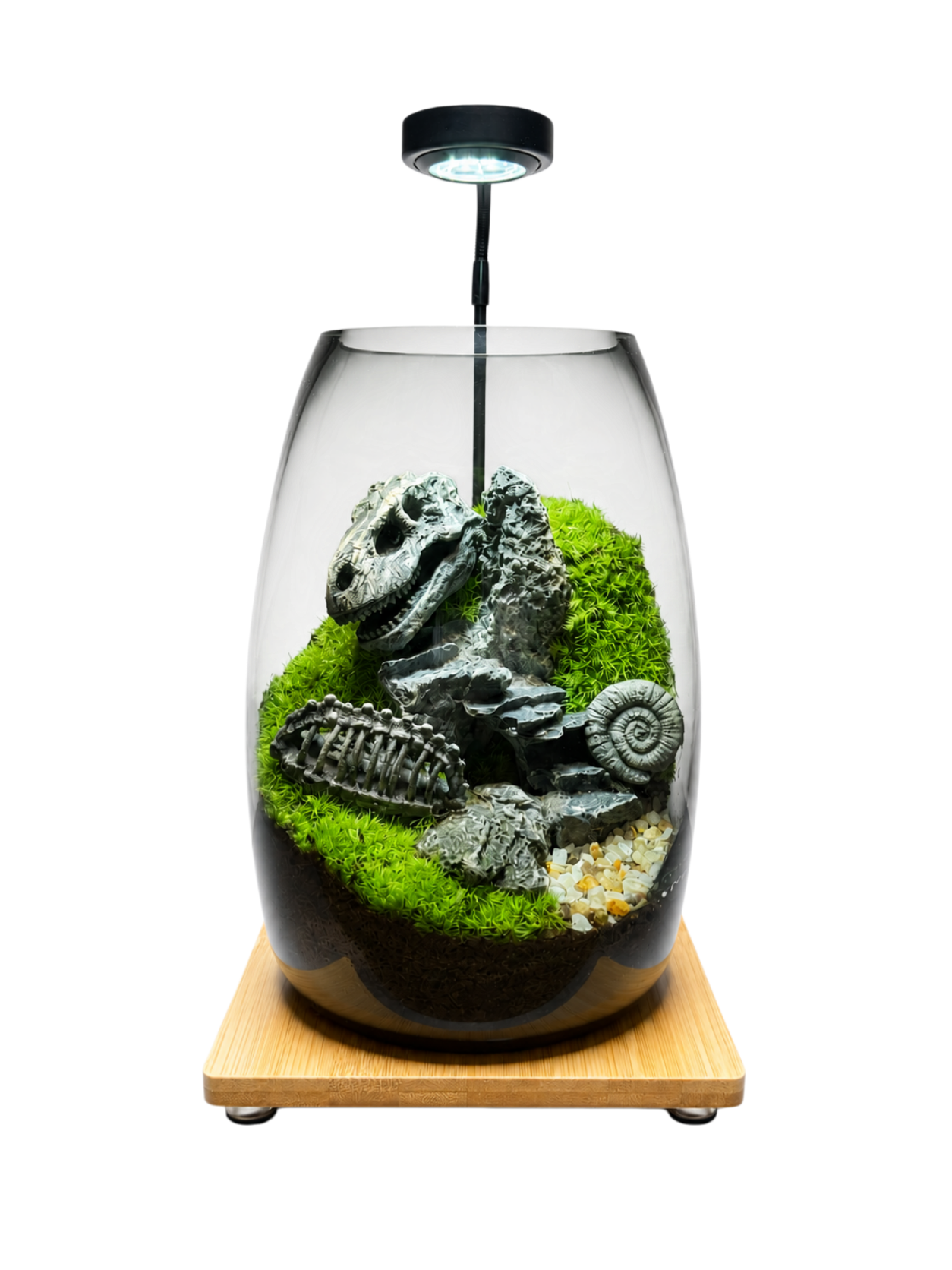
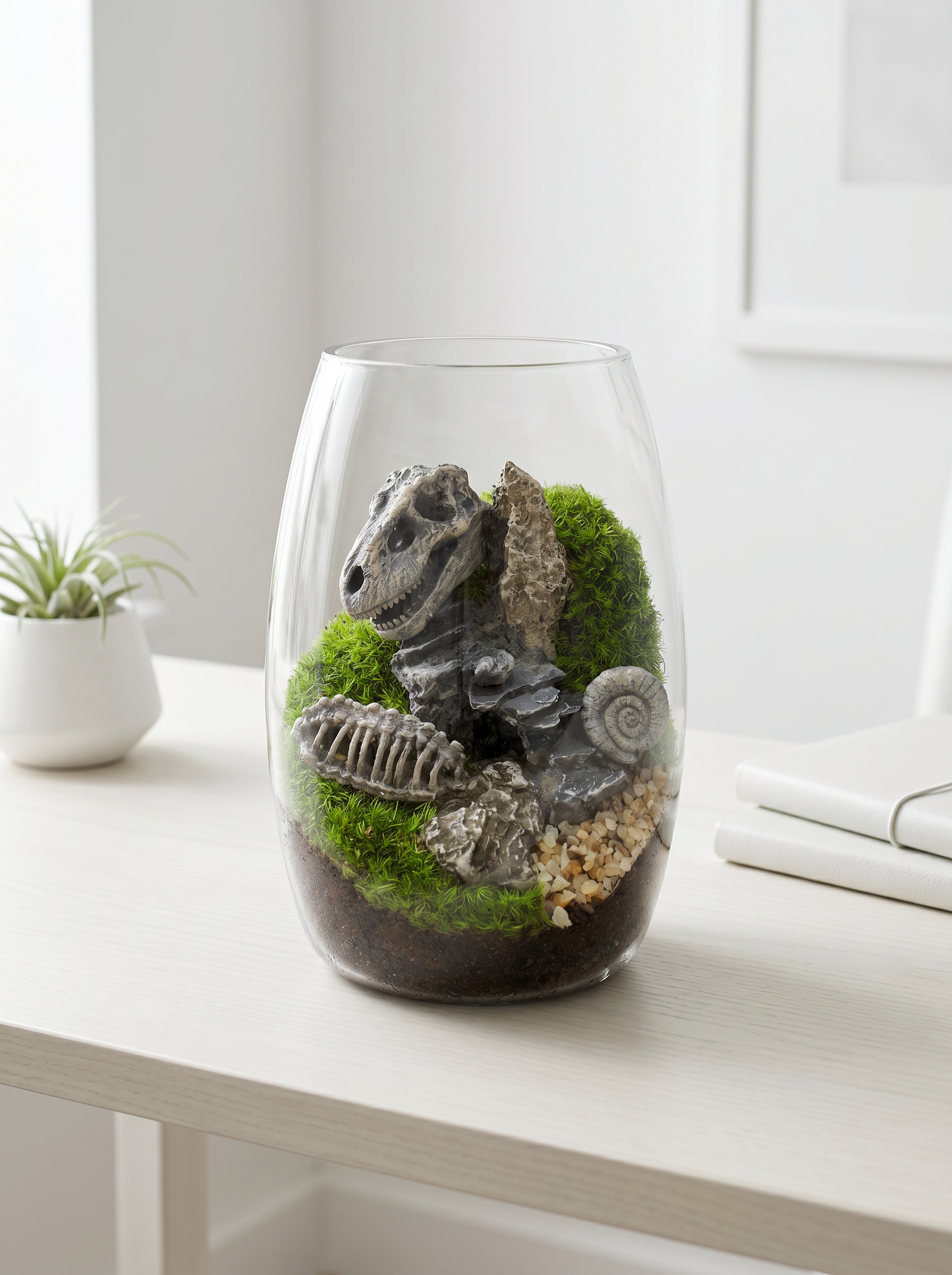
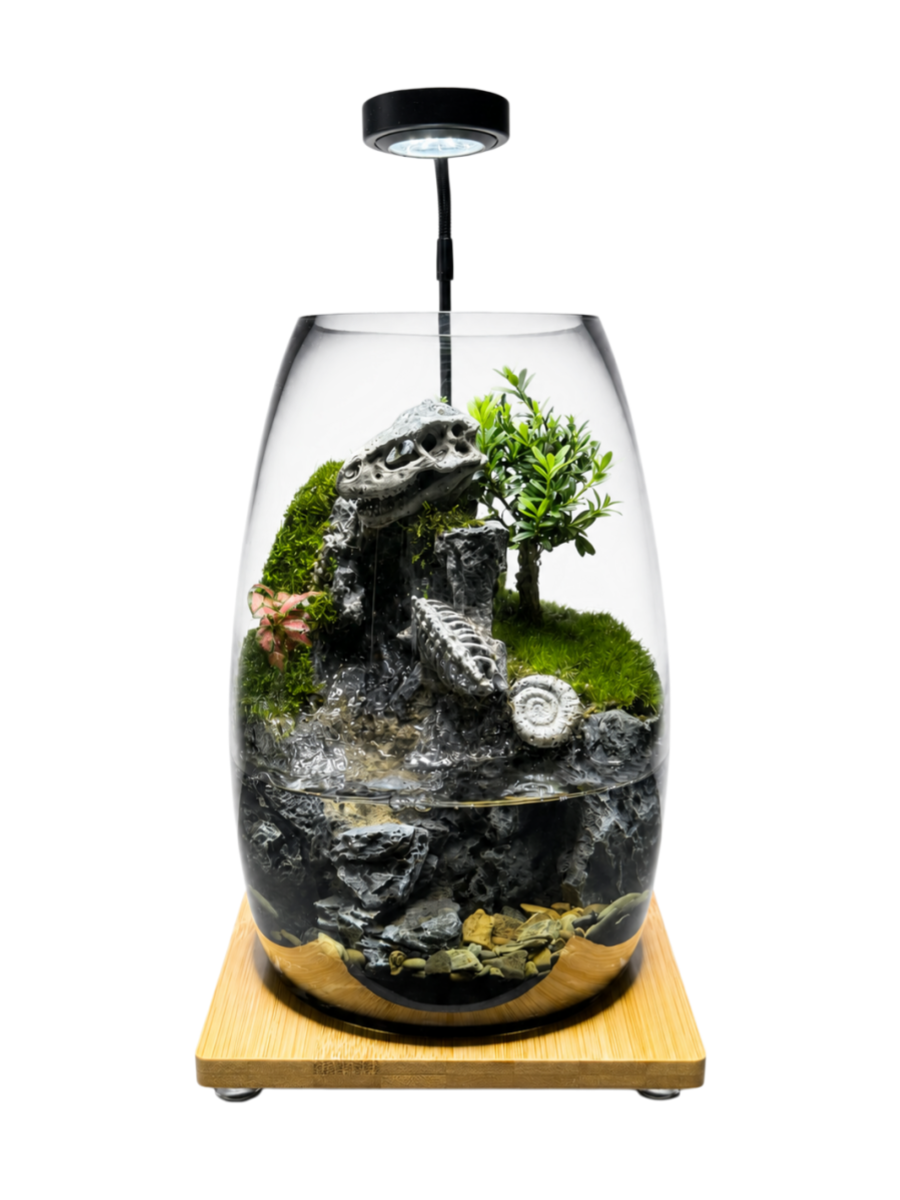
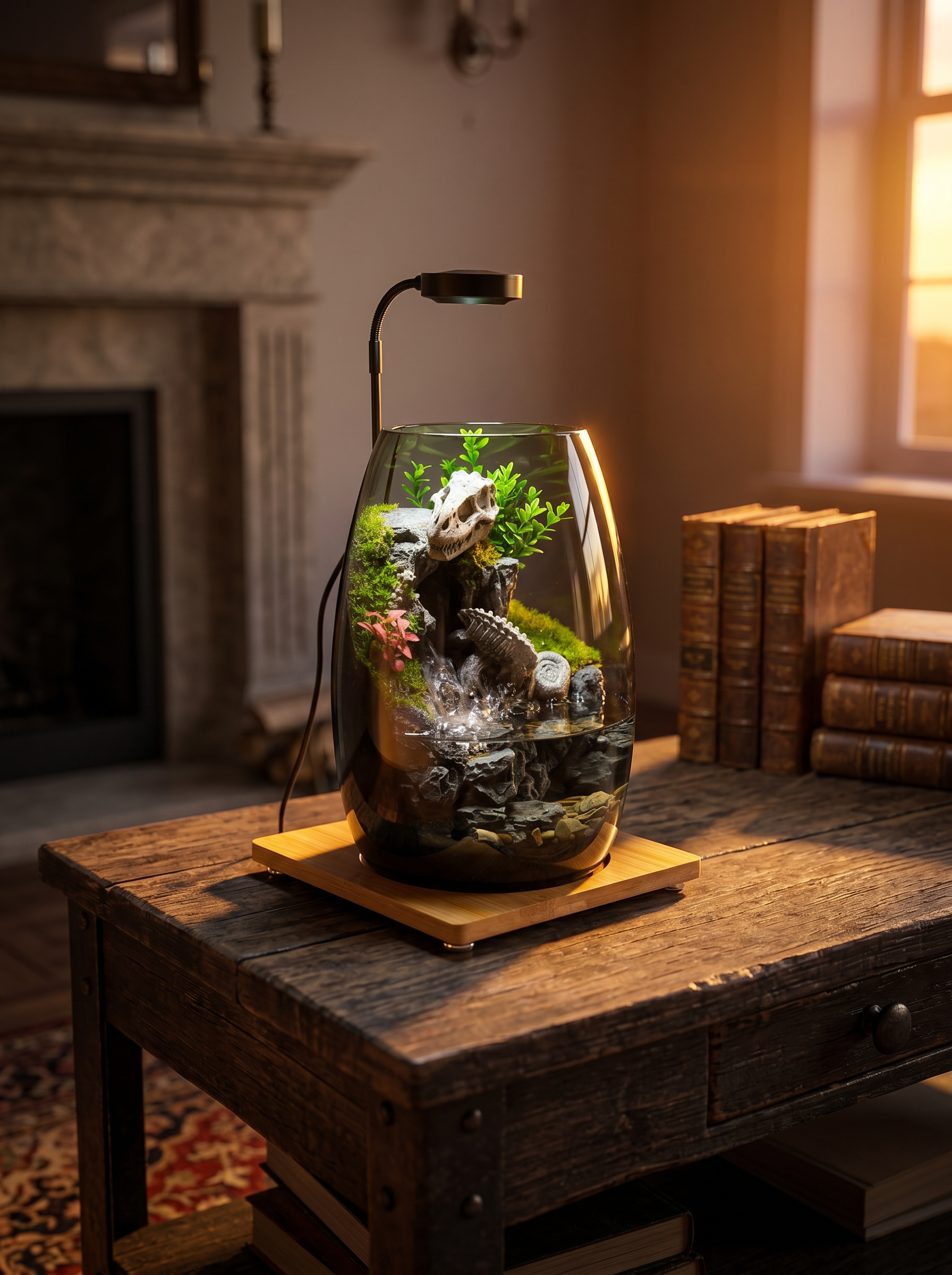

In the realm of contemporary architecture, the boundary between the outdoor world and indoor spaces is blurring at an unprecedented rate. Modern urban living often isolates us from raw biological systems, leading to a rising collective desire for organic connection. As a result, sophisticated homeowners are moving past sterile, artificial design accents and static houseplants. Instead, they are turning toward functional, self-sustaining biospheric art.
Discover why living ecosystem terrariums are becoming one of the fastest-growing trends in luxury home decor, acting as the ultimate intersection of specialized biology and elite aesthetic design.
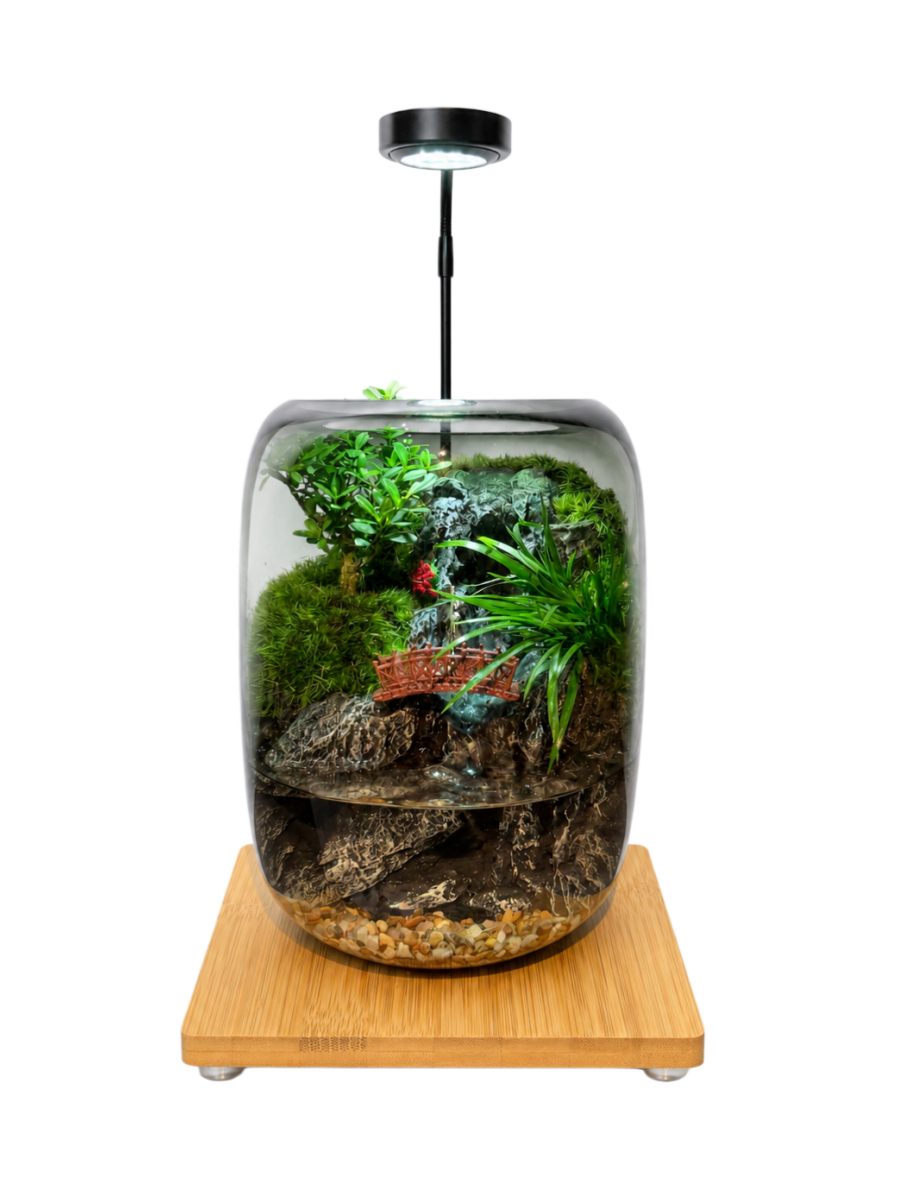
A true living ecosystem terrarium is not merely a collection of decorative moss and succulents shoved into a glass container. From the perspective of a professional culturist, it is a precisely calibrated, micro-biological sanctuary. These setups contain complex layers of soil, active micro-fauna, specific botanical species, and occasionally, specialized micro-fauna or herpetological life that replicate the natural cycles of our planet in miniature. They represent the highest tier of nature inspired interior design, offering an interactive, evolving canvas that transforms any living space into a therapeutic luxury retreat.
The Structural Architecture of a High-End Vivarium
To understand its value in luxury home styling, one must appreciate the scientific precision behind its construction. Unlike cheap, short-lived botanical novelties, a masterfully engineered ecosystem relies on strict ecological stratification. It begins with a meticulous drainage layer—often incorporating activated carbon and lightweight expanded clay aggregates (LECA)—to prevent root rot and gas stagnation. Above this lies a bio-active substrate mix customized with organic humus, sphagnum moss, and orchid bark, formulated to support continuous nutrient cycling.
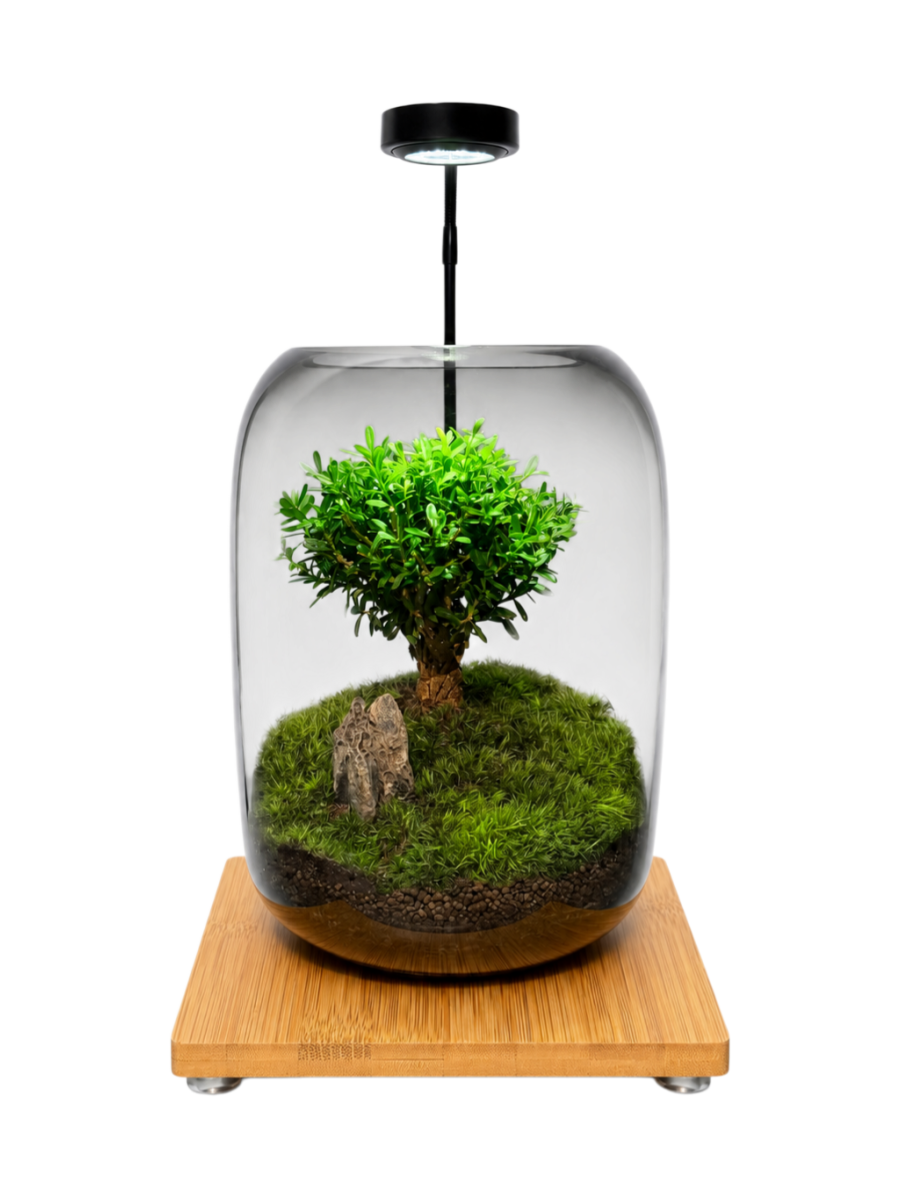
The botanical selection is equally intentional. Professional builders do not simply choose plants based on looks; they pair flora based on micro-climatic compatibility. Exotic, slow-growing tropicals like miniature Fittonia, rare Neoregelia bromeliads, micro-ferns (Biophytum sensitivum), and premium cushion mosses are arranged to create depth and canopy layers. The result is a highly dimensional, living sculpture that demands attention on any bespoke mantelpiece or minimalist shelving unit.
Expert Culturist Note: True bio-activity is achieved by introducing a "Clean-up Crew" consisting of specialized isopods (such as Trichorhina tomentosa) and springtails (Collembola). These micro-organisms break down decaying organic matter, preventing mold growth and cycling nutrients directly back into the root systems, minimizing physical maintenance to near-zero.
Integrating Herpetology and Aquatics into Luxury Spaces
For the elite enthusiast, the evolution of the living ecosystem terrarium leads directly into premium vivaria and paludariums—systems that seamlessly merge terrestrial landscapes with aquatic environments. A masterfully executed paludarium introduces a pristine water feature containing micro-aquatic life, such as dwarf shrimp (Neocaridina) or nano-fish (Boraras brigittae), swimming beneath a lush, moss-draped cliffside.
Furthermore, when scaled appropriately, these enclosures provide highly optimized, specialized micro-habitats for select exotic micro-reptiles or amphibians, such as dart frogs (Dendrobatidae) or micro-geckos (Lepidodactylus lugubris). In high-end nature inspired interior design, these bio-active enclosures become mesmerizing conversation pieces. They bring the dynamic, rhythmic beauty of tropical rainforests or misty riverbanks straight into penthouses and executive studies, captivating guests with authentic biological behaviors that cannot be replicated by any digital screen.
The Psychology of Biophilic Luxury and Wellness
The meteoric rise of ecosystem terrariums in modern architecture is deeply rooted in biophilia—our innate, evolutionary connection to natural systems. Incorporating alive, breathing biological networks into a home does more than elevate visual aesthetics; it fundamentally alters the energetic quality of the room. Research repeatedly proves that interacting with rich greenery and watching balanced ecosystems drastically lowers cortisol levels, reduces anxiety, and enhances cognitive focus.
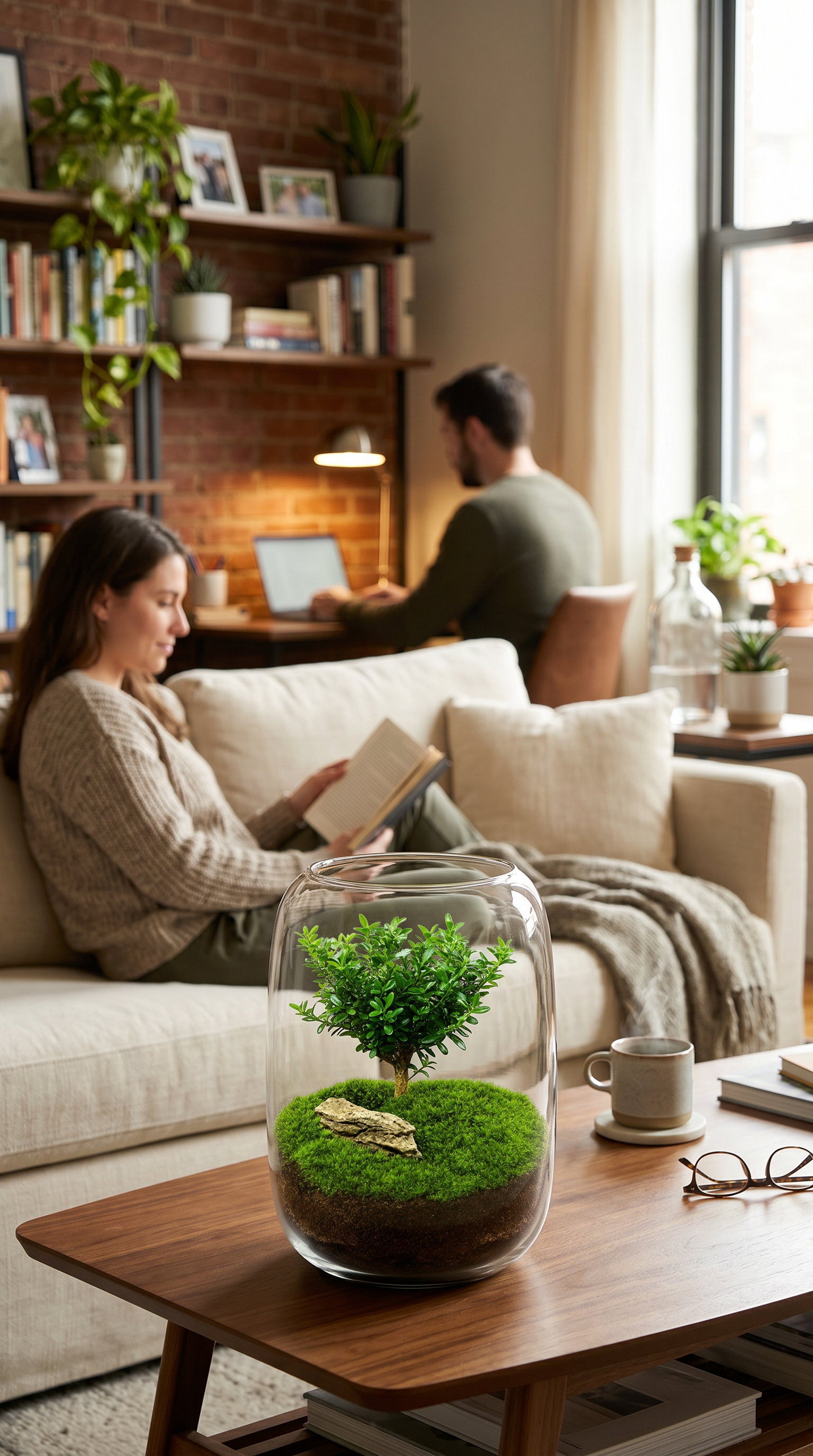
Within luxury design, wellness has become the ultimate status symbol. A massive, masterfully lit living ecosystem provides a profound sense of tranquility. It acts as a grounding anchor in our fast-paced, tech-heavy environments. The subtle condensation cycles on the glass, the slow growth of rare tropical creepers, and the undisturbed movement of micro-fauna offer a meditative escape, making these systems an absolute essential for wellness-focused interior spaces.
Placement and Curation Tips for the Modern Collector
To successfully implement this living art into your home, consider these expert placement strategies tailored for premium interior spaces:
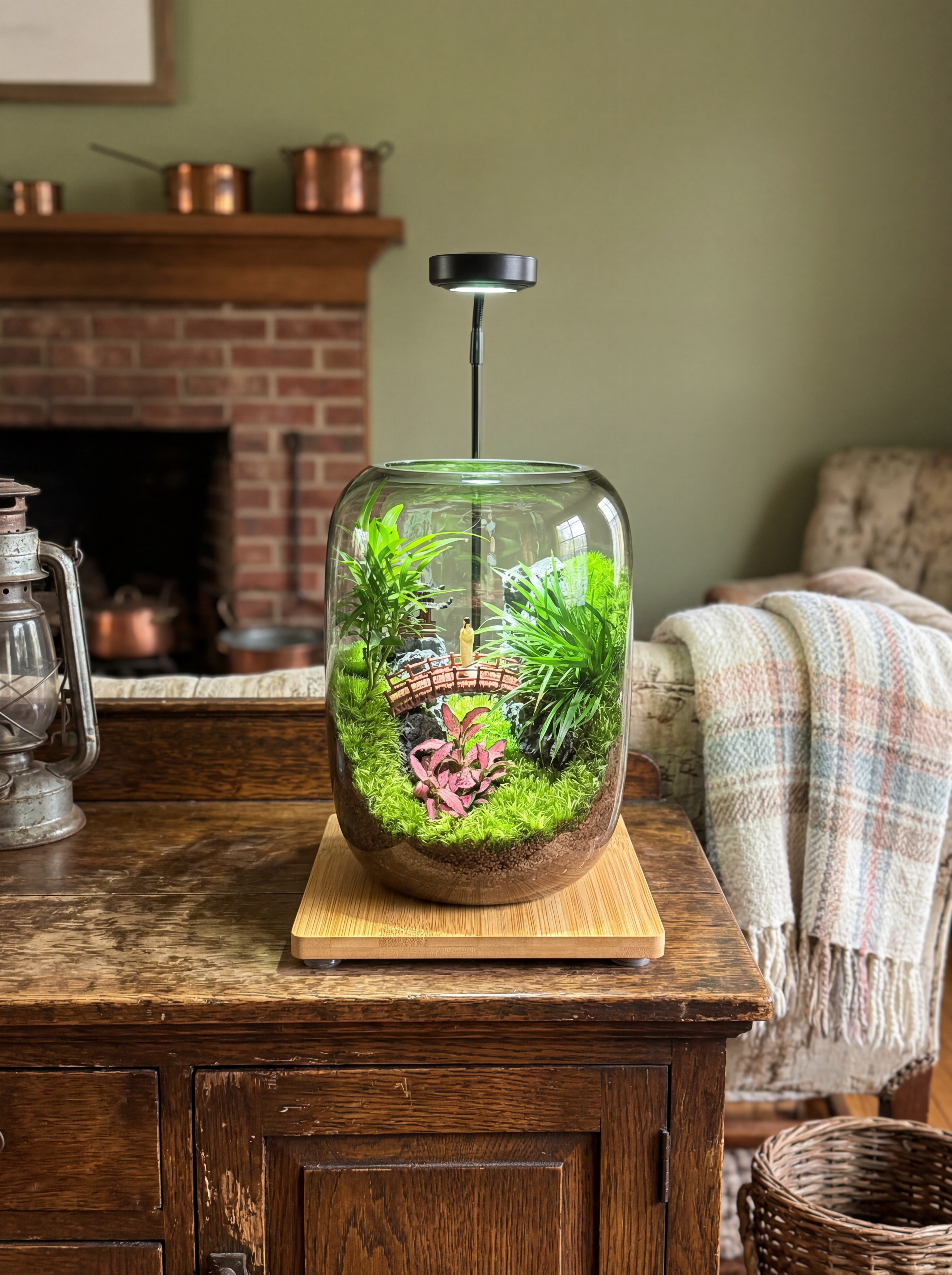
- Focal Presentation: Position large-scale terrariums or custom-built vivariums in areas with controlled environmental variables. Avoid placing them in direct, harsh sunlight, which can overheat the enclosed atmosphere; instead, opt for built-in high-CRI LED lighting systems that mimic natural solar spectra while illuminating the enclosure beautifully.
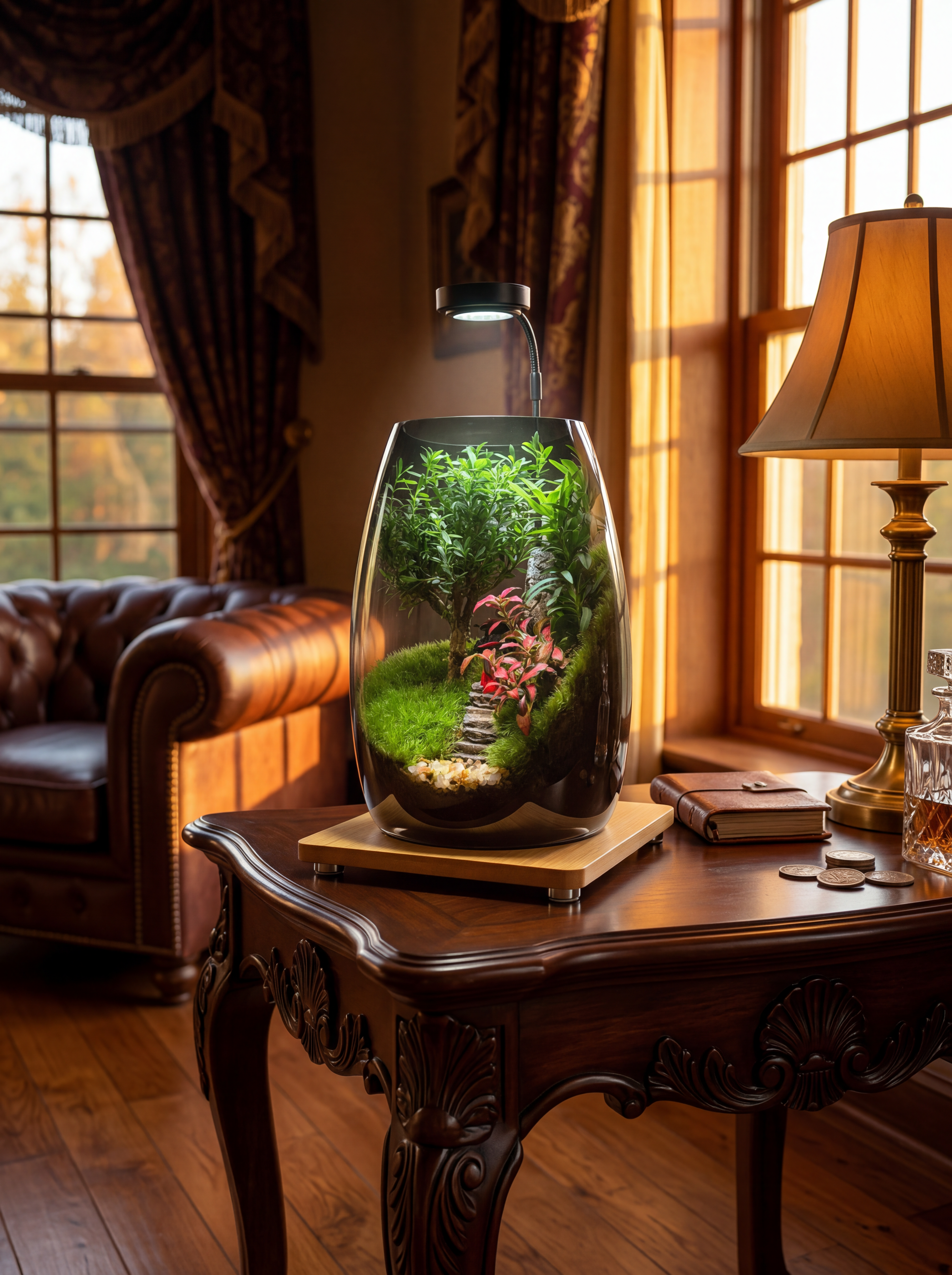
- Complementary Materials: Pair your glass ecosystem with organic interior textures. Placing a vibrant, tropical micro-landscape adjacent to raw slate, brushed brass, or matte-finished walnut accents creates an exceptional contrast that underscores luxury design values.
-
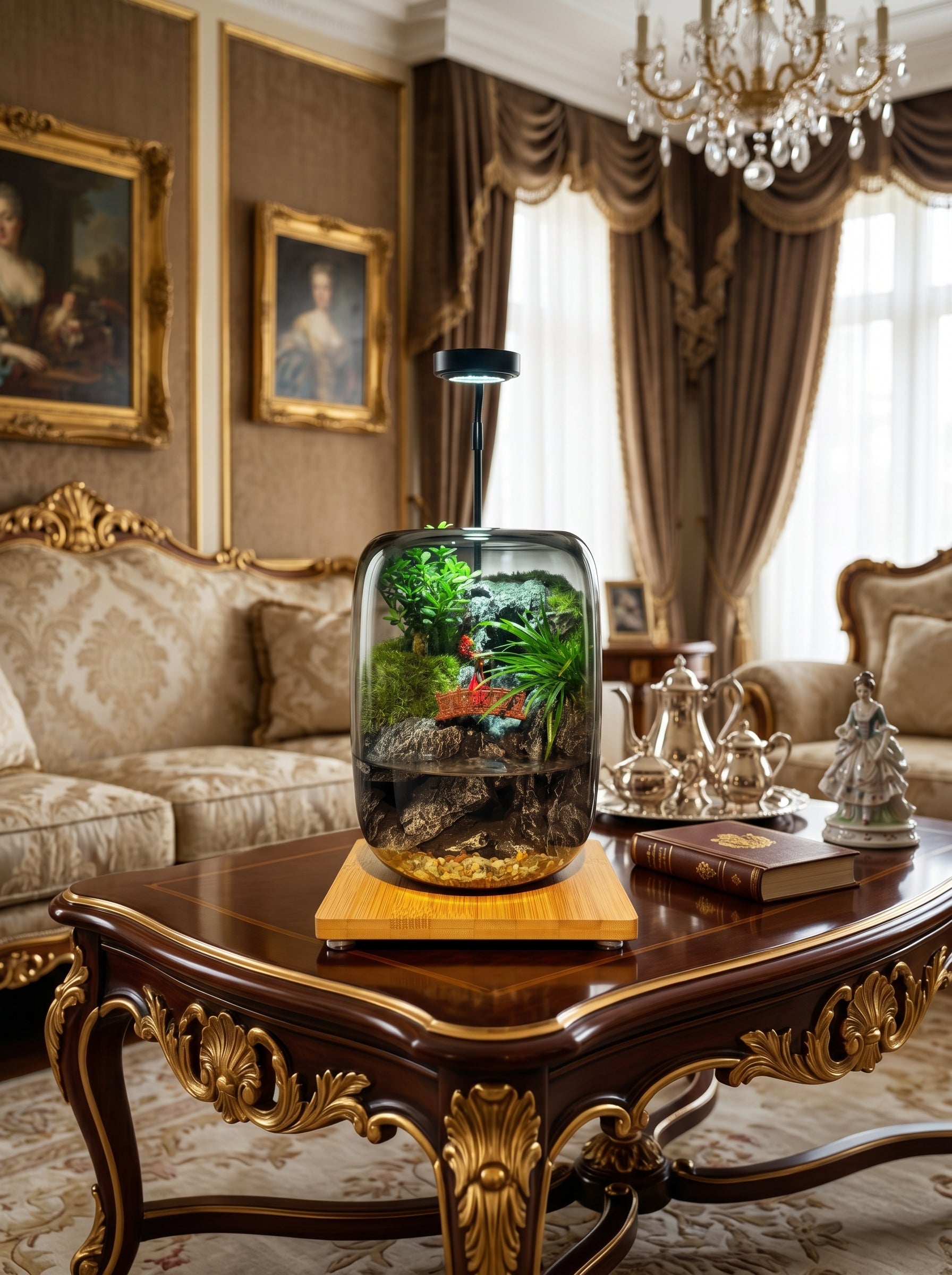
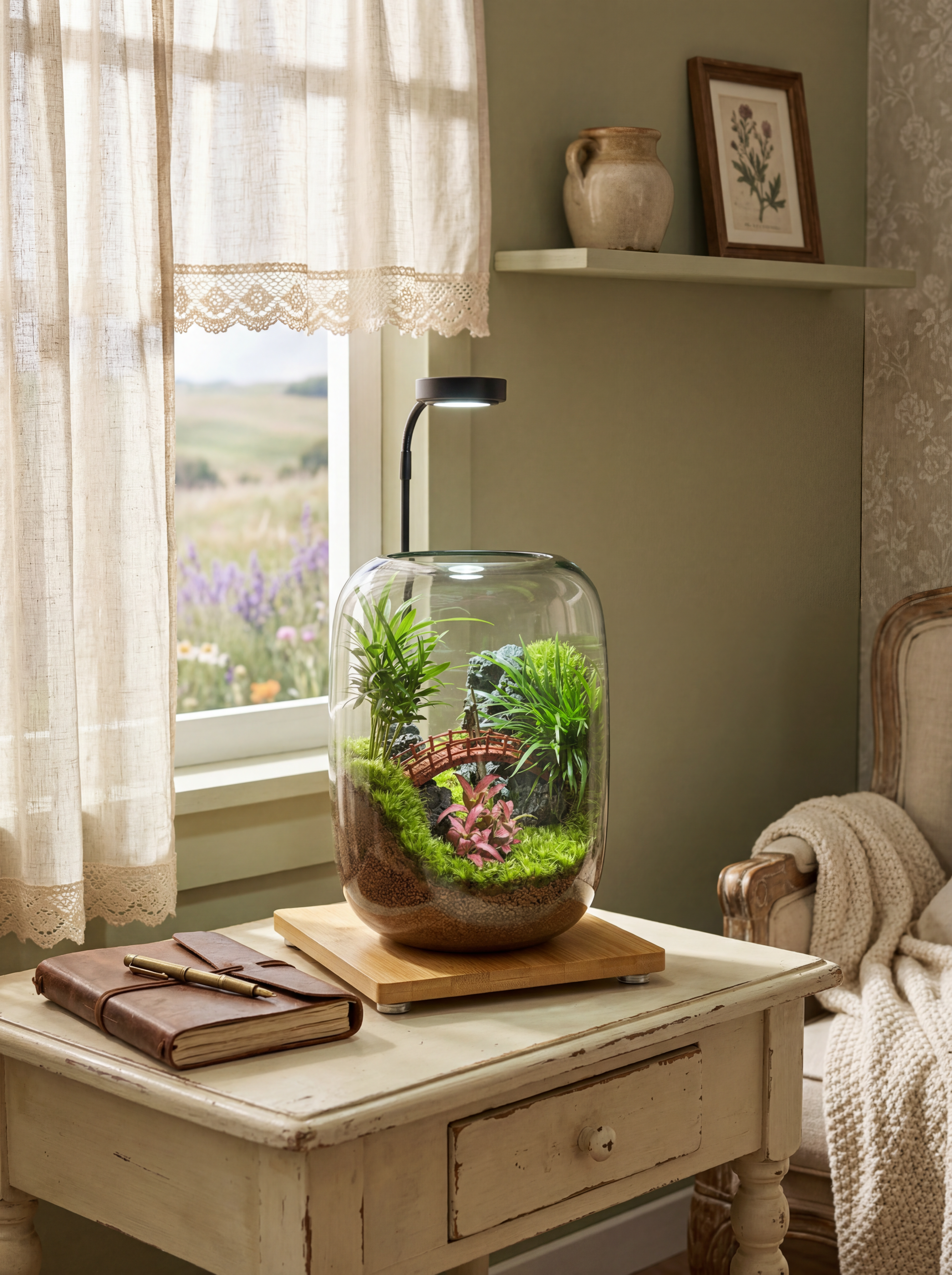
Scale and Geometry: Match the container's geometry to your architectural style. Minimalist homes benefit from sleek, rimless geometric glass geometries, while traditional spaces are beautifully enhanced by classic, heavy-rimmed apothecary style jars.
Conclusion: Investing in Living Masterpieces
As modern homes continue to prioritize organic wellness and sophisticated structural detailing, the reliance on high-end nature inspired interior design will only expand. A professionally curated, bio-active living ecosystem terrarium is much more than a design trend; it is a permanent investment in living art, ecological science, and personal mental well-being. By inviting these self-sustaining micro-worlds into our architectural landscapes, we don't just decorate our spaces.
Commenta